
Robotics & Coding Courses in Hefei (U1–U6)

Robotics and Coding Courses in Hefei | U1–U6, UGOT, Block Coding, Python | Zhiling Weilai Robotics

Who we are, who the classes suit, what students learn, how a term runs, what parents can actually see, and how to try one class first — this page answers all six in order. Classes run in Hefei across six levels, U1 to U6; complete beginners start at U1.

Book a trial class
  • LocationHefei, Anhui
  • ScheduleWeekends, once a week
  • Session3 hours
  • Pricing24 sessions ¥9,900 (no Wukong) / 48 sessions ¥19,800 (Wukong included)

Part 1

Who we are

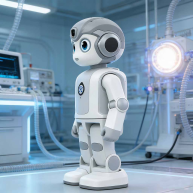
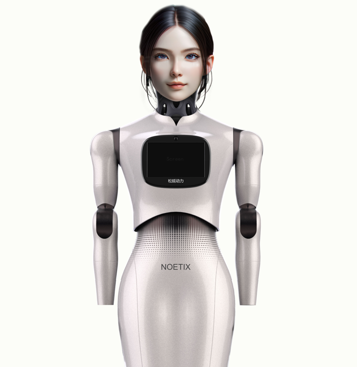
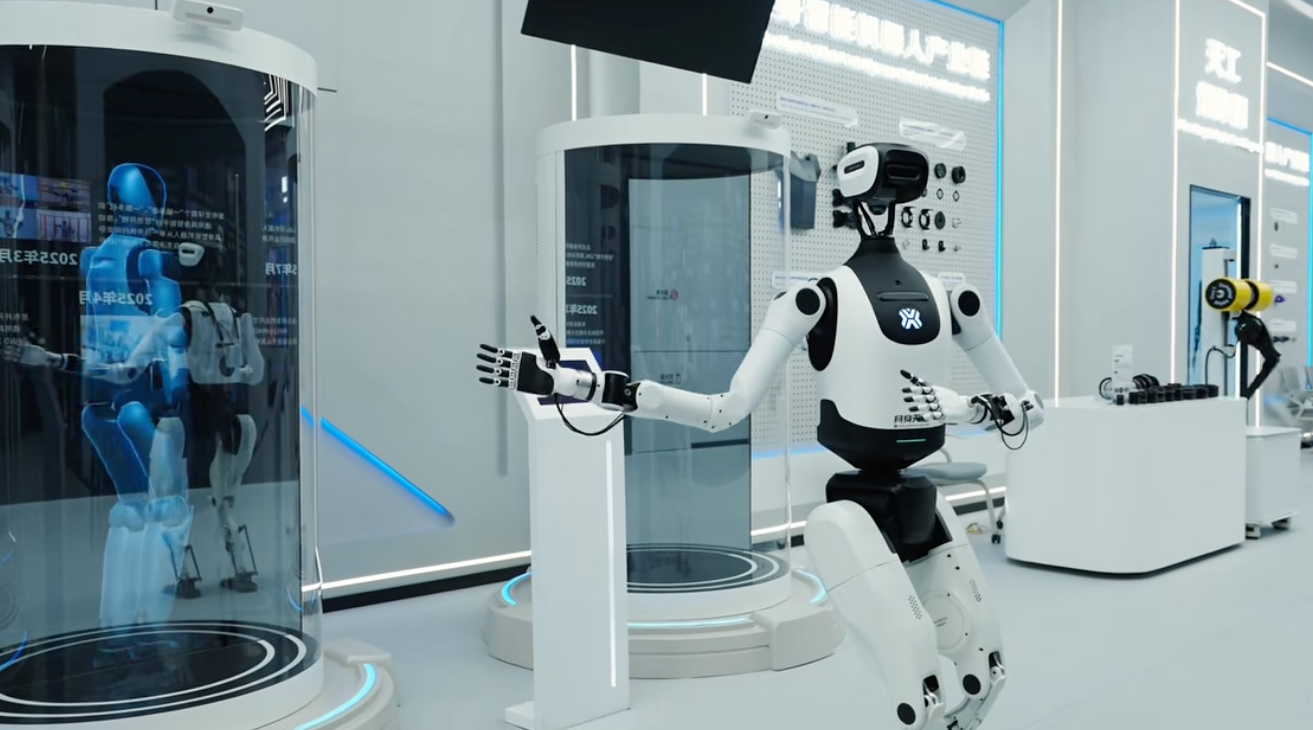
Zhiling Weilai Robotics is operated by Anhui Zhiling Weilai Intelligent Robot Co., Ltd. and runs youth robotics and coding classes in Hefei. Teaching draws on the company's own robot product line and industry resources: the UGOT multi-form educational robot and the Wukong educational robot used in class are the same devices we deploy in commercial settings.

The curriculum is built on our own robot product line: the devices children use in class are the same ones we deploy in showrooms, shopping centres and institutions. The teaching path is therefore derived from real products and projects rather than assembled from unrelated teaching kits.

Part 2

Who it suits

The curriculum runs through six levels, U1 to U6. Complete beginners can start at U1. Finding the right starting point is straightforward:

  • No coding experience → start at U1 Visual Programming Starter

  • Already familiar with block coding → start at U2 Advanced or U3 Python

  • Not sure → book a trial class and the coach will recommend a level based on how your child does

Part 3 · U1–U6

What they learn

The curriculum progresses through six stages, U1 to U6: building logic with visual programming first, moving on to Python code, then robotics competition training, AI agent development and large-model applications. Every stage has clear prerequisites and outcomes.

  1. U1

    Visual Programming Starter

    24 sessions (one term) / 48 sessions (one year)
    Who it suits
    No prior experience needed — starts from block coding
    What is taught
    Learn the visual programming environment and block categories, and the three core structures (sequence, branch, loop); control UGOT's controller, servos, sensors and lights, and make the Wukong robot perform actions, dances, expressions and voice interactions.
    What they can do afterwards
    Independently write basic visual programs that drive the robot forward, backward, turning and light changes; complete dozens of starter hands-on cases and debug simple errors alone.
    Equipment
    Wukong + UGOT robots
  2. U2

    Advanced Visual Programming

    24 sessions (one term) / 48 sessions (one year)
    Who it suits
    After U1, or with existing visual programming basics
    What is taught
    Advanced syntax including variables, lists, functions, nested conditions and multiple loops; multi-sensor programming with distance, infrared, sound and orientation sensors; line-following, obstacle avoidance, light-and-sound interaction and timed tasks; first exposure to competition problems and scoring.
    What they can do afterwards
    Independently complete mid-to-high level robot tasks such as obstacle avoidance, line following and smart interaction; finish several integrated projects and master the full design-program-debug-optimise cycle.
    Equipment
    UGOT multi-form educational robot
  3. U3

    Python Coding

    24 sessions (one term) / 48 sessions (one year)
    Who it suits
    After U2, or with existing block-coding basics
    What is taught
    Systematically learn Python variables, data types, operators, conditionals, loops, functions, arrays and string handling; control UGOT from Python code for precise motion and sensor data processing; practise entry-level competition coding problems.
    What they can do afterwards
    Hand-write Python code independently for precise obstacle avoidance, line following, data collection and smart responses; move beyond block-based programming and gain competition-level coding ability.
    Equipment
    UGOT multi-form educational robot
  4. U4

    Robotics Competition Training

    Intensive sessions scheduled around competition dates; purchasable as 24 sessions (one term) or 48 (one year)
    Who it suits
    After U3, preparing for competitions
    What is taught
    Rules and scoring of mainstream robotics competitions; intensive training on high-frequency tasks such as precision line-following, fast obstacle avoidance, mission challenges, smart sorting and path planning; code slimming and speed-up, hardware calibration and fault finding; timed coding and full dress rehearsals.
    What they can do afterwards
    Build your own competition problem-solving approach and code templates; complete multiple full simulations and be ready to compete at city, provincial and national level.
    Equipment
    UGOT multi-form educational robot
  5. U5

    AI Agent Development

    24 sessions (one term) / 48 sessions (one year)
    Who it suits
    After U3, with an interest in applied AI
    What is taught
    How AI agents work and decide autonomously; calling large-model APIs, building local agents and fine-tuning personalised instructions; developing automatic Q&A, smart data analysis and task automation; linking AI applications to robot hardware.
    What they can do afterwards
    Produce an original AI agent project that combines AI software with robot hardware; present the work and defend it in a project review.
    Equipment
    Can integrate UGOT and other robot hardware
  6. U6

    Large Model Development

    24 sessions (one term) / 48 sessions (one year)
    Who it suits
    After U5, or equivalent foundation
    What is taught
    Large-model architecture and fine-tuning logic, advanced prompting; local deployment and lightweight model adaptation; building custom knowledge bases and domain-specific fine-tuning; integrated projects combining large models with robots, data analysis and creative work.
    What they can do afterwards
    Independently deliver an advanced original project combining large models; gain the research basics to write project reports and papers.
    Equipment
    Large-model environment + optional robot hardware

Stages U1–U3 include AI-assisted academic study: AI tools help consolidate Chinese, maths and English knowledge and review mistakes, so coding and schoolwork progress together.

Part 4

How classes run

  • 3 hours per session, once a week, at weekends
  • Small classes so the teacher can follow every child's progress
  • One robot kit and project handbook per student — no need to buy equipment
  • Children write, debug and improve the programs themselves; every session ends with something demonstrable

Session format: Each session lasts 3 hours, once a week at weekends. The number of sessions depends on how you buy, not on the level chosen: 24 sessions over one term (about 24 weeks), or 48 sessions over one school year (about 48 weeks). Any level can be bought either way, and levels can be combined to reach 48 sessions.

How to buy and what it costs

  • One term · 24 sessions¥9,900Wukong educational robot not included
  • One school year · 48 sessions¥19,800Includes a Wukong educational robot

Pricing depends only on the total number of sessions purchased, not on the level chosen: 24 sessions cost ¥9,900 (the Wukong educational robot is not included), and 48 sessions cost ¥19,800 (the Wukong educational robot is included). You can buy a single level, or combine levels — for example U1 (24 sessions) plus U2 (24 sessions) totals 48 sessions and follows the 48-session plan; buying a single term of U5 (24 sessions) follows the 24-session plan.

Part 5

What you can see

Rather than vague claims, parents can look at concrete evidence:

  • The program itself: the block program or Python code your child wrote

  • A live robot demo: obstacle avoidance, line following or mission challenges running on the spot

  • Debug notes: what went wrong, how it was traced and fixed

  • A stage project: a presentable piece of work at the end of each stage

  • Feedback: stage assessment results and a conversation with parents

Part 6

How to try a class

What the trial includes

A coach demonstrates how programs control a robot, the child completes a hands-on visual programming task, and we finish with a recommended starting level (U1 / U2 / U3).

Duration
Confirmed by phone
Fee
Confirmed by phone
Location
Confirmed by phone
Book a trial class13309611890

Trial duration, fee and location are confirmed by phone with our course adviser.

Enrolling Now

Levels U1–U6, all open

All six levels, U1 to U6, are open for enrolment. Open a detail page to enrol directly, or book a trial class first and let the coach recommend a starting level. Every level can be bought either way — the price depends only on the number of sessions.

U1 Visual Programming Starter

U1 Visual Programming Starter

A visual-programming starting point: learn the block-coding environment and the sequence / branch / loop structures, and drive the Wukong and UGOT robots into motion, light and voice interaction.

  • Suits / PrerequisiteNo prior experience needed — starts from block coding
  • ScheduleWeekend classes · 3 hours per session
View & Enroll
U2 Advanced Visual Programming

U2 Advanced Visual Programming

Advanced block coding: variables, lists, functions and multi-sensor programming for line-following, obstacle avoidance and light-and-sound interaction, with a first look at competition tasks and scoring.

  • Suits / PrerequisiteAfter U1, or with existing visual programming basics
  • ScheduleWeekend classes · 3 hours per session
View & Enroll
U3 Python Coding

U3 Python Coding

Systematic Python coding: control precise robot motion and process sensor data in code, move beyond block programming and gain competition-level problem-solving ability.

  • Suits / PrerequisiteAfter U2, or with existing block-coding basics
  • ScheduleWeekend classes · 3 hours per session
View & Enroll
U4 Robotics Competition Training

U4 Robotics Competition Training

Competition training: precision line-following, fast obstacle avoidance, mission challenges and path planning, plus code optimisation, hardware calibration and full dress rehearsals.

  • Suits / PrerequisiteAfter U3, preparing for competitions
  • ScheduleWeekend classes · 3 hours per session
View & Enroll
U5 AI Agent Development

U5 AI Agent Development

Building AI agents: calling large-model APIs, running local agents and fine-tuning instructions for automatic Q&A and smart data analysis, linked to robot hardware.

  • Suits / PrerequisiteAfter U3, with an interest in applied AI
  • ScheduleWeekend classes · 3 hours per session
View & Enroll
U6 Large Model Development

U6 Large Model Development

Working with large models: advanced prompting, local deployment and lightweight adaptation, custom knowledge bases and domain fine-tuning, ending in an integrated robot project.

  • Suits / PrerequisiteAfter U5, or equivalent foundation
  • ScheduleWeekend classes · 3 hours per session
View & Enroll

You can also download the enrolment brochure (PDF) for an overall introduction to the programme and how we teach (the brochure is general material — the latest schedule and tuition are those shown on this page).

Download brochure (PDF)